The Evolving Role of Endoscopy in Gastroenterology
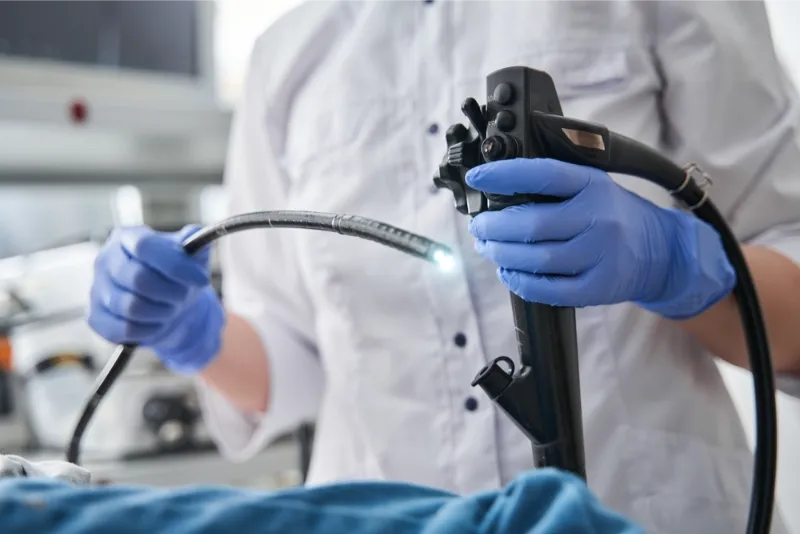
In the field of gastroenterology, endoscopy has undergone significant advancements in recent years, revolutionizing the way we diagnose and treat gastrointestinal (GI) disorders.

In the field of gastroenterology, endoscopy has undergone significant advancements in recent years, revolutionizing the way we diagnose and treat gastrointestinal (GI) disorders.

Inflammatory bowel disease (IBD) is an umbrella term used to describe chronic inflammatory conditions of the gastrointestinal (GI) tract. The two main types of IBD are Crohn’s disease and ulcerative colitis.

The largest organ in the body, the liver weighs about three pounds, and is reddish brown in color. It is made up of two sections, the right and left lobes.

Have you experienced a high fever, yellowing of your skin or eyes, or intense abdominal pain? Then you may want to talk to your doctor about gallstones.

Irritable bowel syndrome is a disease that affects the large intestine. Symptoms can include abdominal pain, cramping, bloating, changes in the frequency of bowel movements, and changes in the appearance of bowel movements.

Diverticulosis is a common condition that is not well known. Learn more about the condition today.

Acid reflux occurs when stomach contents enter the esophagus. This can cause a burning feeling in the chest known as heartburn or a bitter taste in the mouth. You may…

Happy New Year! Here at Granite State Gastroenterology, we hope that everyone out there has made a resolution to live a healthier lifestyle. This will help you feel your best this year!
Gluten intolerance is coming up more often now than before—as is evident in the gluten-free products showing up in your local grocery store and at restaurants all around.

One of the most common pieces of advice that people are given when they experience gastrointestinal issues is to drink more water and eat more fiber.