
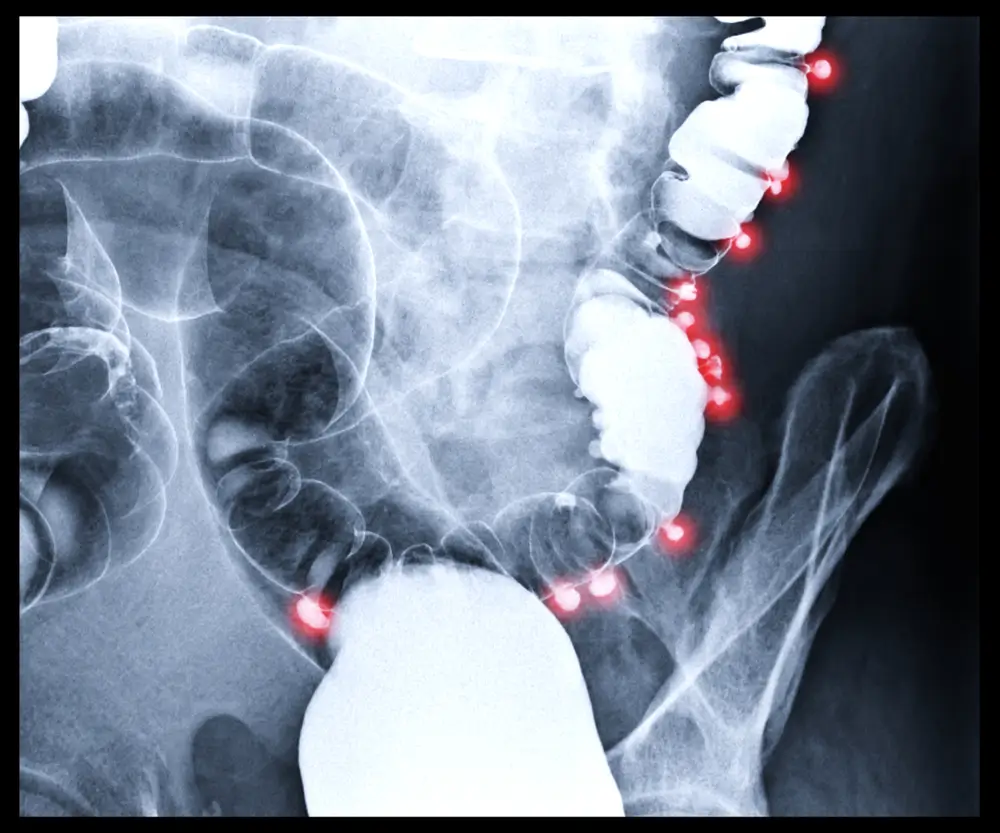
If you’ve ever been told to avoid popcorn, nuts, or seeds because of diverticulitis, you’re not alone — it’s one of the most persistent pieces of digestive health folklore out there. At Granite State Gastroenterology, we hear this question often, and it’s a great opportunity to set the record straight on diverticulitis: what it actually is, what causes it, and what the current research really says.
What Is Diverticulitis?
Diverticulitis starts with diverticulosis, the presence of small pouches (called diverticula) that form in the lining of the colon, most often in the lower left side. Diverticulosis itself is extremely common, especially after age 40, and usually causes no symptoms at all. Diverticulitis occurs when one or more of these pouches becomes inflamed or infected, leading to noticeable, sometimes serious, symptoms.
Common Symptoms
- Abdominal pain, typically in the lower left side
- Fever and chills
- Nausea or vomiting
- Bloating and constipation, or sometimes diarrhea
- Tenderness in the abdomen
Symptoms can range from mild discomfort to severe pain requiring urgent care, so it’s important not to dismiss persistent abdominal pain.
The Seeds, Nuts, and Popcorn Myth
For decades, patients with diverticulosis were routinely told to avoid seeds, nuts, popcorn, and corn, out of concern that these foods could get lodged in the diverticula and trigger inflammation. More recent research, including a large long-term study published in JAMA, has not found evidence supporting this connection. In fact, some of these foods are good sources of fiber, which is actually protective against diverticulitis. Most GI specialists today no longer recommend eliminating these foods unless a patient has a personal history suggesting otherwise.
What Actually Increases Risk
While the seed and nut myth doesn’t hold up, several factors are genuinely linked to a higher risk of developing diverticulitis:
- Low-fiber diets — Fiber helps keep stool soft and moving efficiently, reducing pressure in the colon.
- Age — Risk increases significantly after age 40, and continues rising with age.
- Lack of physical activity — Sedentary lifestyles are associated with higher rates of diverticular disease.
- Obesity — Excess weight is a known risk factor.
- Smoking — Linked to both diverticulosis and complications of diverticulitis.
- Certain medications — Including some NSAIDs and steroids.
How Is Diverticulitis Diagnosed?
If diverticulitis is suspected, your provider may order a CT scan to confirm inflammation and rule out complications, along with blood work to check for signs of infection. A colonoscopy is typically avoided during an active flare, but is often recommended afterward to evaluate the colon and rule out other conditions.
Treatment Options
Treatment depends on severity:
- Mild cases are often managed with a temporary low-fiber or liquid diet, oral antibiotics if needed, and rest.
- Moderate to severe cases may require hospitalization, IV antibiotics, or in rare cases, surgery if there’s an abscess, perforation, or recurrent severe episodes.
- Long-term management typically involves gradually increasing dietary fiber once the flare resolves, to help prevent future episodes.
When Should You See a GI Specialist?
If you’re experiencing persistent abdominal pain, especially with fever, or you’ve had diverticulitis before and notice symptoms returning, it’s time to talk to a gastroenterologist. Recurrent diverticulitis or any signs of complications warrant prompt evaluation.
If you’re dealing with recurring abdominal pain or have questions about your digestive health, the team at Granite State Gastroenterology is here to help. We proudly serve patients across Bedford, Londonderry, Raymond, Berlin, and Windham, New Hampshire. Visit granitegastro.com to request an appointment with one of our board-certified specialists.
Frequently Asked Questions
Is diverticulitis the same as diverticulosis?
No. Diverticulosis is simply having the pouches in the colon, often with no symptoms. Diverticulitis is when those pouches become inflamed or infected.
Can I really eat popcorn and nuts if I have diverticulosis?
Current research does not support avoiding these foods. Most GI specialists now recommend a high-fiber diet, which can include nuts, seeds, and popcorn, unless your provider advises otherwise based on your specific history.
Is diverticulitis dangerous?
Most cases are mild and resolve with treatment, but severe or untreated diverticulitis can lead to complications like abscesses, perforation, or fistulas, which require more intensive care.
Can diverticulitis come back?
Yes, recurrence is common. Long-term dietary changes, particularly increasing fiber, can help reduce the risk of future flares.
What foods should I eat to help prevent diverticulitis?
A diet rich in fruits, vegetables, whole grains, and legumes is generally recommended to support colon health and reduce risk.