
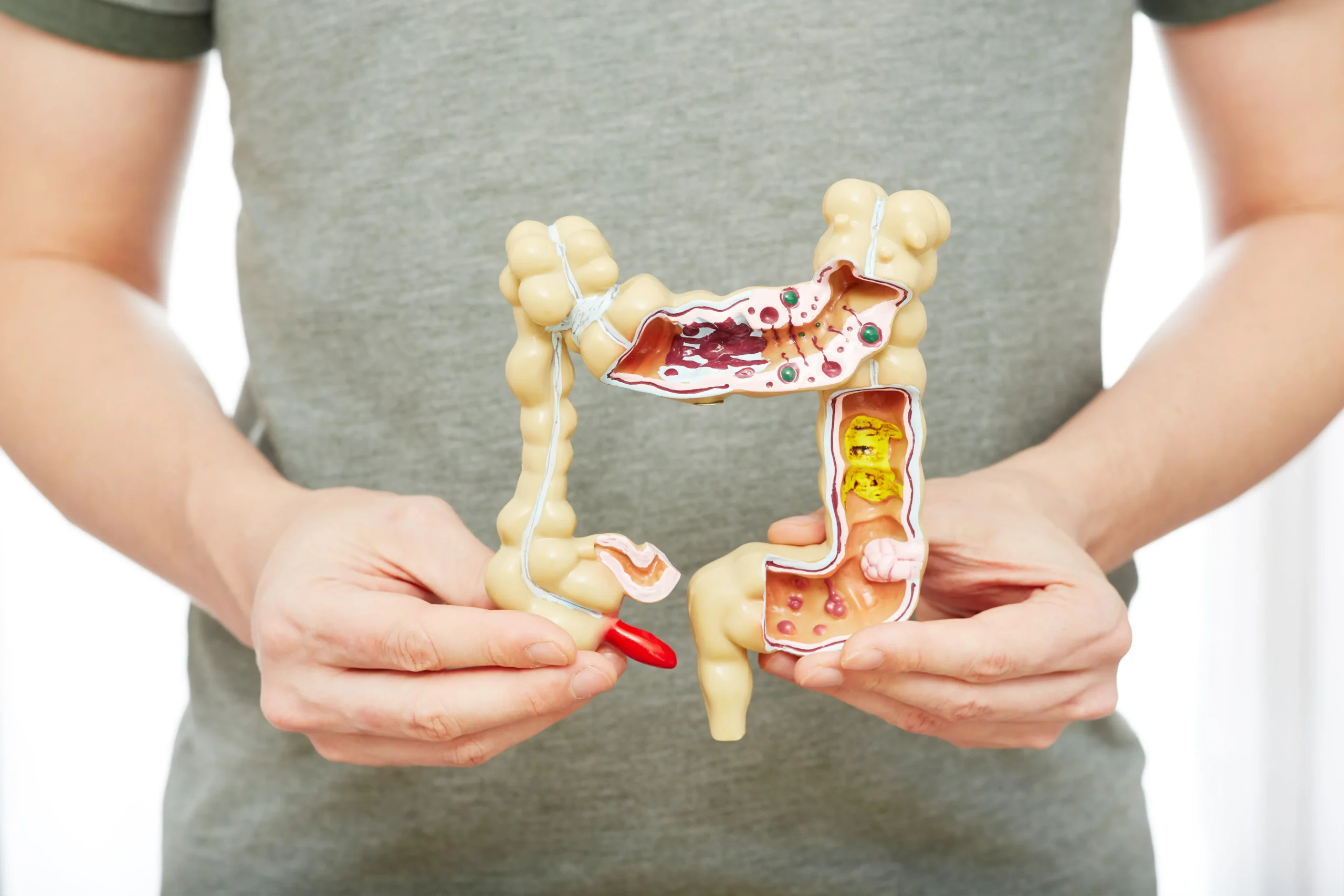
Living with ulcerative colitis can be physically and emotionally challenging, especially when abdominal pain becomes a frequent part of daily life. Ulcerative colitis is a chronic inflammatory bowel disease that affects the lining of the large intestine and rectum, often causing cramping, urgency, diarrhea, and rectal discomfort. While pain levels vary from person to person, effective management is possible with the right medical guidance and lifestyle strategies.
At Granite State Gastroenterology in New Hampshire, our specialists work closely with patients to create personalized treatment plans that reduce inflammation, control symptoms, and improve overall quality of life.
Why Ulcerative Colitis Causes Pain
Pain associated with ulcerative colitis is primarily caused by ongoing inflammation in the colon. During flare-ups, the inflamed intestinal lining can become swollen and ulcerated, leading to cramping, pressure, and discomfort. Pain may also worsen due to frequent bowel movements, gas buildup, muscle spasms, or complications such as strictures or infections.
Understanding the underlying cause of pain is essential, since treatment focuses on controlling inflammation rather than simply masking symptoms.
Medical Approaches to Pain Management
The foundation of ulcerative colitis pain management is controlling inflammation and maintaining remission. Treatment plans are customized based on disease severity, symptom frequency, and patient response.
Common medical options include:
- Anti-inflammatory medications such as aminosalicylates to reduce inflammation in the colon
- Corticosteroids for short-term control during moderate to severe flares
- Immunomodulators and biologic therapies for patients with persistent or severe disease
- Targeted therapies that address specific immune pathways involved in inflammation
Pain relief often improves significantly once inflammation is controlled. Long-term use of traditional pain relievers such as NSAIDs is generally discouraged, as they may worsen gastrointestinal symptoms. Always consult your gastroenterologist before taking any over-the-counter pain medication.
Dietary Strategies That Can Help Reduce Discomfort
While diet does not cause ulcerative colitis, certain foods may trigger symptoms during flare-ups. Identifying personal triggers can help minimize pain and digestive distress.
Many patients find relief by focusing on:
- Low-fiber or low-residue foods during flares
- Smaller, more frequent meals
- Avoiding high-fat, spicy, or heavily processed foods
- Limiting caffeine, alcohol, and carbonated beverages
Keeping a food and symptom journal can be helpful in identifying patterns. A gastroenterology provider may also recommend working with a dietitian experienced in inflammatory bowel disease.
Stress, Mental Health, and Pain Perception
Stress does not cause ulcerative colitis, but it can intensify symptoms and pain perception. Anxiety, poor sleep, and emotional stress may increase muscle tension in the gut and heighten sensitivity to discomfort.
Incorporating stress-management techniques can support overall symptom control, including:
- Gentle exercise such as walking or yoga
- Mindfulness practices or breathing exercises
- Cognitive behavioral therapy or counseling
- Prioritizing consistent sleep routines
Addressing mental and emotional health is an important part of comprehensive ulcerative colitis care.
Managing Pain During Flare-Ups
During active flare-ups, pain may increase despite maintenance therapy. In these cases, prompt communication with your gastroenterology provider is essential. Adjustments to medication, additional testing, or short-term therapies may be necessary to prevent complications and restore remission.
Warning signs that require medical attention include severe or persistent abdominal pain, fever, blood in the stool, dehydration, or unintended weight loss.
Long-Term Strategies for Improved Quality of Life
Successful pain management often requires a long-term approach focused on prevention, monitoring, and consistency. Regular follow-ups, medication adherence, and routine screenings play a critical role in keeping symptoms under control.
At Granite State Gastroenterology, we emphasize patient education, open communication, and proactive care to help individuals with ulcerative colitis maintain an active and comfortable lifestyle.
When to See a Gastroenterology Specialist
If ulcerative colitis pain interferes with daily activities, sleep, or work, it may be time to reevaluate your treatment plan. Gastroenterology specialists can assess disease activity, adjust therapies, and recommend supportive strategies tailored to your needs.
Early intervention often leads to better outcomes and fewer complications.